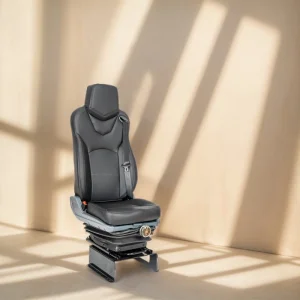
Engineered for high performance, maximum durability, and immediate integration into Equatorial Guinea's commercial and transit fleet vehicle frameworks.
A comprehensive analysis of shipping routes, infrastructure upgrades, and local transport environmental challenges shaping industrial component selection.
Equatorial Guinea, comprising both its insular region (Bioko Island, containing the capital Malabo) and Rio Muni on the mainland (with the major transport hub of Bata), is rapidly modernizing its logistics and automotive infrastructure. Driven by national development initiatives such as Horizonte 2035, the state is investing heavily in trunk road paving, regional logistics links, and port infrastructure. These investments have catalyzed a substantial demand for robust, high-durability transit vehicle components and car seat accessories.
Operating in this region presents unique mechanical challenges. The tropical monsoon climate—characterized by high humidity (often exceeding 80% year-round), high ambient heat, and exposure to corrosive coastal salt air in Malabo and Bata—accelerates the degradation of standard automotive cabin materials. Polyurethane degradation, structural steel corrosion in seat slide rails, and rapid fading of standard seat fabrics under harsh UV exposure are frequent issues for fleet operators. Consequently, procurement managers representing petrochemical transport services, public minibus systems, and agricultural logistics networks are transitioning away from consumer-grade replacement parts. They are actively seeking industrial-grade suppliers capable of delivering components with specialized material coatings, anti-rust metallurgy, and high-tensile structural integrity.
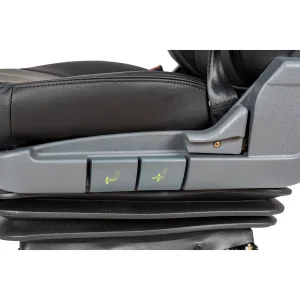
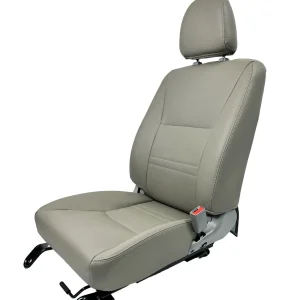
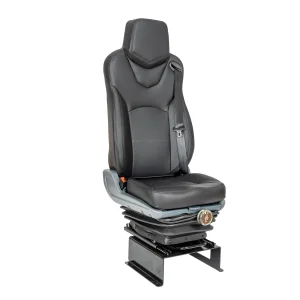
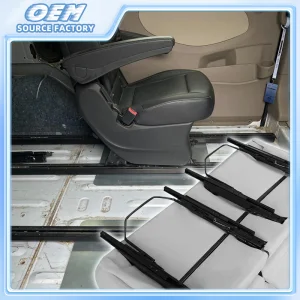
Double-locked seat slides and adjustment rails coated with electrodeposition primers or black powder-coated finishes to resist coastal salt-air corrosion in maritime ports.
Factory-direct pricing from China, combined with highly resilient manufacturing profiles, reduces total lifecycle costs for municipal transit authorities and private fleets.
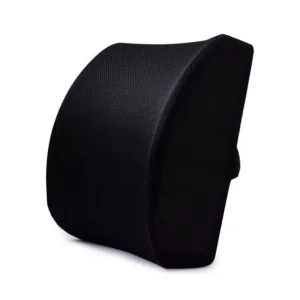
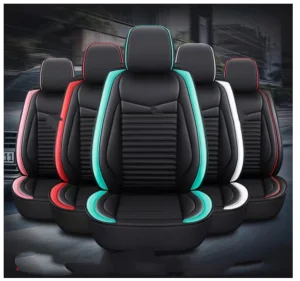
High-density memory foam padding and heavy-duty 3D mesh fabrics designed to withstand extreme thermal cycles inside parked vehicles without undergoing chemical degradation.
How we engineering structural safety, ergonomic comfort, and environmental resilience into every seating component.
Engineering premium seating accessories for commercial operation in equatorial climates demands strict adherence to rigorous testing frameworks. At the core of our technical roadmap is the development of component systems that satisfy both safety regulations and long-duration ergonomics. Commercial passenger transport, especially in regional minibus connections (e.g., Bata to Mongomo), subjects driver and passenger seats to continuous load cycling and mechanical vibrations. Below is our industrial material configuration roadmap:
| Component Group | Standard Specification | Equatorial Guinea Environmental Adaptation | Key Testing Standard |
|---|---|---|---|
| Slide Rails & Recliners | Dual-locking steel mechanisms; carbon steel frames. | Epoxy electro-coat + zinc-nickel top layering for salt-fog resistance. | ASTM B117 Salt Spray Test >500 hrs without red rust. |
| Cushioning Fillers | Polyurethane molded foam with >55kg/m³ density. | Anti-microbial and anti-humidity formulations to prevent inner mold development. | ISO 3386 Compression stress-strain properties. |
| Fabric & Covers | Heavy-duty 3D spacer mesh or genuine sheepskin. | Breathable, rapid-evaporation weave patterns that lower interface temperatures. | ISO 105-B02 UV resistance (Grade 5-6 minimum). |
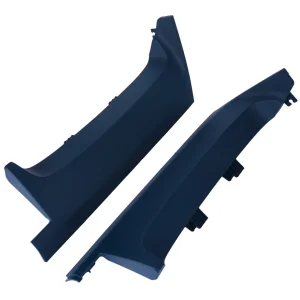
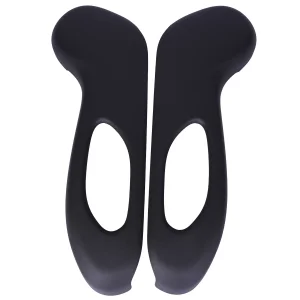
| Trim Panels | Polypropylene (PP) with impact modifiers. | Reinforced structural ribbing to maintain shape under elevated temperatures. | ISO 179 Charpy impact strength testing. |
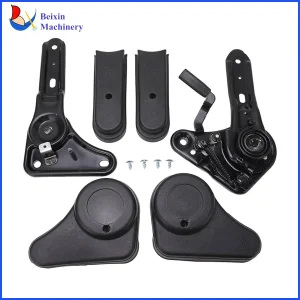
For fleet retrofits, the implementation of dual-locking mechanism slide rails is crucial. High-vibration forest logging roads and municipal detours demand that seat anchorage points withstand high shear stress. Our slide rails use high-strength structural steel plate stampings that ensure complete stability under sudden braking or impact, protecting transit operators from catastrophic failures.
Combining world-class automation, rigorous quality control systems, and robust logistics alignment for direct West African imports.
Suzhou Vivi Auto Accessories Co., Ltd stands at the forefront of high-precision auto accessories manufacturing. Boasting over a decade of deep engineering experience, we operate integrated production facilities specialized in metal stamping, plastic injection molding, and complex assembly lines. Our primary product lines encompass manual tonneau covers, tri-fold tonneau covers, electric roller covers, and vehicle structural components, including seat accessories, positioning tracks, and custom interior systems.
As the pioneer manufacturer in China to develop manual roller lid covers for pickup trucks, our design methodologies focus heavily on tight tolerance execution and wear-resistant mechanics. We handle every step of production in-house—from initial structural prototyping and mold development to electro-deposition coatings and quality assurance inspections. This absolute control over the manufacturing lifecycle enables us to offer bespoke OEM/ODM variations that cater to the unique operational environments of West African import partners.
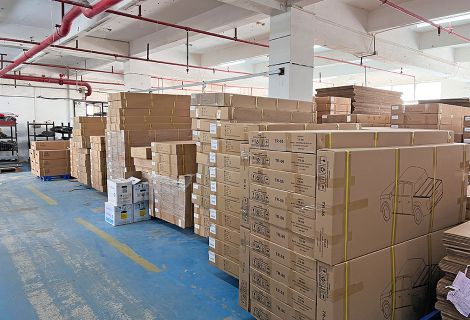
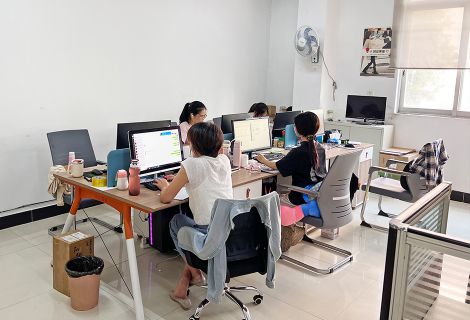
Full manufacturing workflow audibility
Flexible parameter engineering capabilities
Streamlined documentation for Port of Malabo
Custom procurement strategies designed for public transit networks, industrial logistics fleets, and specialized mining operators.
For international procurement departments and local distributors based in Malabo, Bata, or Oyala, importing vehicle parts demands more than high product quality. It requires complete supply chain transparency and localization alignment. Many fleet organizations in West Africa operate vehicles sourced from multiple global manufacturing hubs. For example, transit companies frequently run a mixed fleet of Japanese light commercial minibuses, Chinese medium-duty shuttle vans, and European long-haul shipping trucks. A universal supplier must be able to adapt mounting specifications and structural brackets to accommodate this diversity.
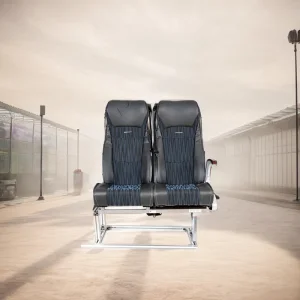
We solve this by offering custom structural adapter kits. Whether retrofitting driver suspension bases for heavy mining trucks or supplying mass-production passenger seats for inner-city shuttle vans, our engineers supply CAD drawings and 3D step files to verify compatibility prior to production. Additionally, we assist buyers through the complex customs requirements of Equatorial Guinea, ensuring compliance with the Central African Economic and Monetary Community (CEMAC) documentation codes. We compile certified bills of lading, certificates of origin, and comprehensive packing lists to minimize delays at terminal custom gates.
Expert answers addressing MOQ, climate compliance, logistics delivery, and OEM customization processes.
Explore our full range of structural mechanisms, driver safety suspensions, and replacement parts optimized for West African commercial transport networks.
 Vivi Auto Accessories