Why do some accessories fade quickly in China? The answer is rarely just “poor quality.” A black handbag can lose color where it rubs against a coat; a bright scarf may dull after repeated washing; plated hardware can look pale after sweat and friction. Sunlight, heat, moisture, detergents, and skin oils all influence color stability. So do the material, dye, coating, and finishing process.
Professional testing standards help turn these observations into measurable checks. ISO 105-C06 evaluates textile colorfastness to domestic and commercial laundering, while ISO 105-X12 measures color transfer during rubbing. AATCC TM8 also assesses crocking, or color transferred by rubbing. These methods do not predict every real-life outcome, but they show why one attractive product photo cannot prove lasting color. For non-textile components, separate coating or plating tests may be needed.
This article examines the materials and daily conditions behind fading, from UV-exposed fabric to metal trim repeatedly touched by damp hands. It also explains what labels and test results can—and cannot—tell shoppers. Small differences matter: a pale patch near a bag strap, dye on a damp cloth, or a finish that changes after a few weeks. Sometimes the cause is unclear. That uncertainty deserves attention, not a quick excuse.
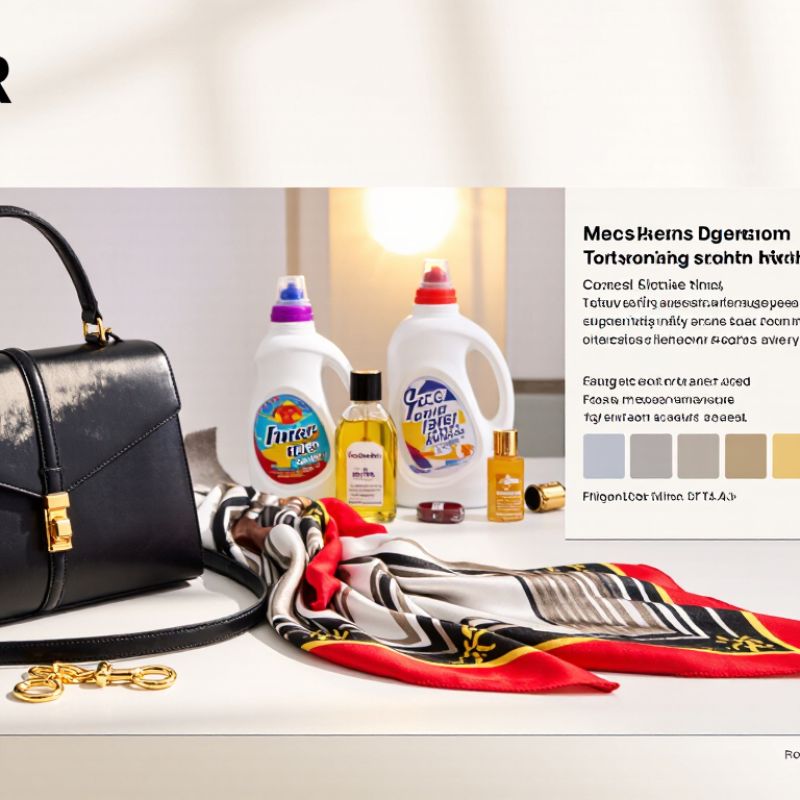
Color fading in accessories is more than a shade becoming lighter. It can mean a surface coating is wearing away, a textile dye is losing strength, or a material is changing through exposure. These causes look similar at first. A gold-toned edge turning silver may suggest worn plating, while a fabric strap becoming dull could reflect sunlight or repeated washing. It is tempting to call every pale patch “fading,” but that can be too simple. The material and finish matter.
China’s climates vary widely, so heat, humidity, sunlight, and daily habits can affect accessories differently. Sweat, skin oils, perfume, and friction from a bag strap can gradually alter color, especially around clasps and corners. Small clues help: compare the exposed front with the underside, and check whether the change feels rough or uneven. Not a perfect test. A seller or maker may be able to explain the finish and its care limits; abrasion or colorfastness test information can also be useful. Keep accessories dry, wipe them gently, and store them away from direct sun. Still, fading is not always preventable, and a quick color change alone cannot identify its exact cause.
Color fading is a loss or change of color caused by factors such as light, heat, or chemicals. This chart shows the ISO blue wool reference scale used in lightfastness testing: grade 1 indicates very low light resistance, while grade 8 indicates very high resistance. These are reference grades, not test results for particular accessories. Strong sunlight and prolonged exposure can contribute to fading; actual performance depends on the material, dyes, and test conditions.
Accessories often fade because their fibers and dyes respond differently to light, sweat, washing, and friction. Cotton and linen can lose color when surface dyes have not bonded deeply with the fibers. Bright reds, blues, and blacks may show change sooner, though the dye type and finishing process matter more than color alone. Check the care label. A quick rinse test on a hidden area can also reveal loose dye, but it cannot predict long-term wear.
Synthetic fabrics such as polyester usually resist fading better, yet they are not immune. Poorly fixed dyes may wash out, while sunlight can gradually dull exposed straps, bag panels, and shoe trims. Leather is different: direct sun and dry heat may lighten its finish, while repeated rubbing can polish or wear it unevenly. In humid parts of China, sweat and damp storage may add to the problem, especially when accessories are packed away before fully drying. Small changes matter. Keep frequently worn pieces out of strong window light, wash gently in cool water, and avoid prolonged contact with pale clothing. These steps help, but results vary; material labels rarely explain exactly how well a dye was fixed.
Sunlight is often the main culprit. Ultraviolet radiation breaks down color molecules and can yellow clear coatings.
The WHO and World Meteorological Organization’s Global Solar UV Index: A Practical Guide classifies UVI 3–5 as moderate and 6–7 as high. It recommends sun protection from UVI 3 upward. This index measures risk to skin, not accessory fading, but it signals when outdoor exposure deserves attention.
A bracelet left beside a bright window may still receive damaging UV.
Heat speeds some color and coating changes. Humidity adds another stress: moisture can soften adhesives, encourage corrosion on plated parts, and help dyes migrate between damp surfaces.
China’s climates vary widely, so a humid coastal summer and a dry inland winter are not equivalent storage conditions. Keep accessories away from sunny dashboards and steamy bathrooms. Let them dry before putting them in a closed pouch.
Small habits help. Not always. Material, dye, coating thickness, and exposure time matter, too.
ISO 105-B02 uses xenon-arc exposure to assess textile lightfastness, but a pass result cannot predict every accessory’s life in daily use. That limit is easy to overlook.
Why Do Some Accessories Fade Quickly in China?
How Manufacturing and Everyday Use Accelerate Fading
Fading often begins before an accessory reaches the street. Uneven dye penetration, thin surface coatings, or rushed curing can leave color less resistant to light and rubbing. This is not unique to any country; it reflects process control and material choice. AATCC TM16.3 assesses colorfastness to light using controlled xenon-arc exposure. That test offers a useful comparison, but it cannot reproduce every mix of sunlight, dust, and handling.
Daily use adds up. A bag left on a sunny dashboard can heat up, while straps rub against clothing and hands transfer sweat and skin oils. The WHO’s Global Solar UV Index guide recommends sun protection when the UV Index reaches 3 or higher. UV exposure can break down colorants over time, and repeated cleaning may speed visible change. Small detail. A pale patch near a zipper often shows where rubbing and sunlight meet.
Tips: Ask suppliers for lightfastness and rubbing-test results, not just color samples. Keep accessories out of direct sun when stored, wipe them with a soft damp cloth, and avoid harsh cleaners. Test any cleaner on a hidden spot first. Even careful use cannot fully prevent fading.
In China, strong sunlight, humid weather, sweat, and daily friction can all affect an accessory’s color. A dark shoulder strap rubbing against a pale shirt may transfer dye; a bright bag left beside a sunny window may fade unevenly. Check the care label and ask how the color was tested, not just whether the material is “high quality.” AATCC TM16.3 assesses lightfastness on a scale from 1 to 8, with higher grades indicating better resistance to light-induced fading. Small details matter. A high score still cannot predict every condition of use.
Material alone is not a guarantee. Textile Exchange’s Materials Market Report 2024 estimates that polyester represented 57% of global fiber production in 2023, but fiber type does not tell you how well a particular dye or finish will last. For fabric accessories, wash similar colors separately in cool water, use mild detergent, and dry them away from direct sun. Wipe coated or metal parts with a soft, dry cloth instead of soaking them. Store bags away from windows, and avoid stacking damp items together. It is tempting to trust a colorfastness claim completely; I would treat it as useful evidence, not a promise. Test care methods on a discreet area when possible.
Color may be weakening, a coating may be wearing away, or the material may be changing. A pale patch alone cannot reveal the exact cause.
Ultraviolet light can break down color and yellow clear coatings. A bright windowsill can expose a bag or bracelet for hours. Small clues help.
Yes. Heat can speed some changes, while moisture may soften adhesives or encourage corrosion on plated parts. Let accessories dry before storing them.
Compare an exposed edge with a protected underside. A gold-toned edge turning silver may suggest worn plating. Rough or uneven areas offer clues, not proof.
Friction can move dye, especially when a dark strap rubs against a pale shirt. Damp surfaces may make transfer more likely. Not always.
Wash similar colors separately in cool water with mild detergent. Dry them away from direct sunlight, and avoid stacking damp items together.
Wipe them gently with a soft, dry cloth instead of soaking them. I would still check the care instructions; one method may not suit every finish.
No. Test results can offer useful evidence, but daily sunlight, sweat, friction, and storage affect wear. A rating is not a promise.
Read the care label and ask how its color was tested. Material type alone does not show how durable a particular dye or finish will be. I might overlook a detail, so inspect it closely.
Why do some accessories fade quickly? The answer often lies in the materials, dyes, and conditions they encounter. Some fabrics, leathers, plastics, and surface coatings are less colorfast, so their shades may weaken or transfer with repeated use. Strong sunlight can break down pigments, while heat and humidity may speed up discoloration, especially when accessories are stored in warm, damp places.
Manufacturing choices and everyday habits also matter. Uneven dye application, limited protective finishing, friction, sweat, oils, and frequent contact with water can all make colors fade sooner. To preserve an accessory’s appearance, look for durable materials and well-finished surfaces, follow its care instructions, and avoid prolonged exposure to direct sunlight, heat, and moisture. Gentle cleaning and dry, shaded storage can help maintain its color over time.

Vivi Auto Accessories