Why China Best Interior Accessories Need Regular Cleaning?

Time:2026-10-16 Author:Liam
0%

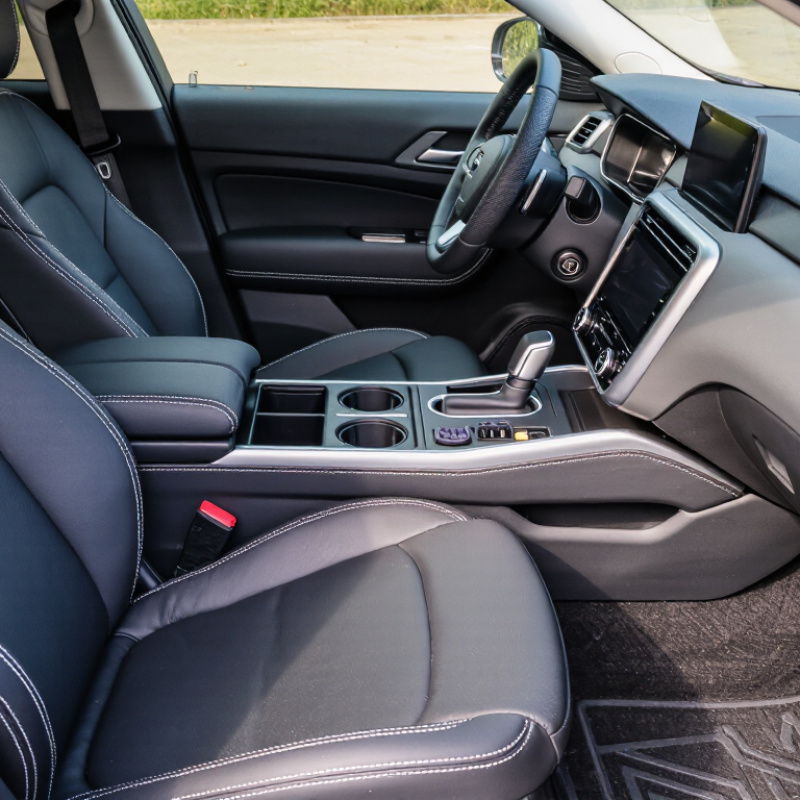
A vehicle’s interior often reveals its quality before anyone checks the engine. In China’s competitive accessories market, the best products may include durable seat covers, steering-wheel wraps, floor mats, trim panels, and organizers. Yet even well-made materials lose their appeal when dust, skin oils, drink residue, and sunlight work together. So, why is the question “Why do interior accessories need regular cleaning” more important than it sounds? Cleaning protects appearance, comfort, material performance, and the confidence customers place in a supplier.

More than appearance.

From a professional quality-control perspective, different surfaces require different routines. A microfiber cloth can lift dashboard dust, while a soft brush reaches stitching and narrow air-vent edges. Mild, manufacturer-approved cleaners are safer than aggressive solvents, especially on coated leather, synthetic leather, plastics, and adhesive trim. Floor mats need frequent shaking and drying because trapped grit can feel like sand beneath the driver’s feet. In humid conditions, neglected moisture may create unpleasant odors and encourage surface deterioration. Still, cleaning is not magic. A poor cloth, excessive water, or careless scrubbing can cause marks. This is a detail suppliers and vehicle owners sometimes underestimate. Reliable maintenance guidance should explain testing, drying, material compatibility, and realistic cleaning intervals. The “best” accessory is not simply attractive on day one; it should remain practical after repeated use and care. Regular inspection also exposes loose stitching, fading, or warped edges before these problems become expensive complaints. Small habits matter. They build lasting trust.
Why China Best Interior Accessories Need Regular Cleaning?

What Are China Best Interior Accessories?

What are China’s best interior accessories?

The phrase usually describes well-made products manufactured in China for improving a vehicle’s comfort, organization, and appearance. Common examples include:

  • fitted floor mats
  • seat covers
  • steering-wheel wraps
  • storage boxes
  • sunshades
  • rear-seat organizers

The best choices should match the vehicle’s dimensions, daily use, and interior materials. A neat appearance alone is not enough.

Material quality matters.

Durable mats should resist water, dust, and repeated bending without curling at the edges. Seat covers need firm stitching, breathable fabric, and a secure fit. Accessories should not obstruct pedals, visibility, or safety equipment.

Experienced buyers often inspect seams, fasteners, surface odor, and installation instructions before purchase. These small checks prevent expensive mistakes.

Still, “best” is not absolute. A soft fabric organizer may suit a family car, but fail in a dusty work vehicle.

Regular cleaning protects both performance and appearance.

Fine sand can scratch plastic trim, while spilled drinks may leave sticky residue around storage compartments. Remove mats and shake them outdoors. Use a soft brush for stitching and a slightly damp cloth for coated surfaces.

Avoid soaking electronic controls or using harsh solvents. I have found that weekly light cleaning works better than occasional aggressive scrubbing.

Yet some advice feels incomplete: even high-quality accessories can age quickly when sunlight, heat, and poor ventilation are ignored. Fresh air helps. Care remains essential.

Why Regular Cleaning Matters for Interior Accessories

Regular cleaning matters because interior accessories collect more than visible dust. Curtains, cushions, rugs, and decorative panels trap skin flakes, pet hair, moisture, and fine particles between their fibers. The U.S. Environmental Protection Agency reports that indoor pollutant levels can be two to five times higher than outdoor levels. Soft furnishings can contribute to that indoor load when neglected. Clean surfaces feel better. They also support a more controlled indoor environment.

Practical experience shows that cleaning frequency depends on use, ventilation, humidity, and household activity. A cushion near a busy entrance may need weekly vacuuming, while a rarely used decorative piece may need attention monthly. The American Society of Heating, Refrigerating and Air-Conditioning Engineers recommends maintaining indoor relative humidity below 65% to help limit microbial growth. That matters for fabric accessories, especially after spills or damp weather. Dry completely.

Do not over-clean blindly. Harsh chemicals, excessive water, or rough brushing can weaken fibers and fade finishes. The Institute of Inspection, Cleaning and Restoration Certification advises following material-specific care instructions and testing products on hidden areas. I have seen a “clean” velvet cushion develop water marks after rushed treatment. That mistake is easy to repeat. A soft brush, low-suction vacuum, and prompt blotting often work better than aggressive scrubbing.

Which Materials and Surfaces Require Special Care?

Premium interior accessories stay attractive only when their materials receive suitable care. Dust, skin oils, humidity, and sunlight slowly change their surfaces. Regular cleaning removes these contaminants before they become stubborn stains. It also helps reveal damage early, such as loose stitching, fading, or fine cracks.

Leather needs a soft, barely damp cloth and a cleaner made for finished leather. Excess water can darken seams and leave uneven marks. Natural wood should be wiped along its grain, never soaked. Harsh sprays may weaken its protective coating. Polished metal needs gentle handling because abrasive pads create dull scratches. Glass tolerates diluted cleaning solutions, but liquid should not enter joints or electrical openings. Stone surfaces require pH-neutral products, since acidic cleaners can etch the finish. Textiles often need vacuuming with low suction before spot treatment. Do not rub aggressively. You may spread the stain.

Plastic and coated surfaces seem simple, yet strong solvents can make them cloudy or brittle. Test every cleaner on a hidden area first. That small test is easy to skip. It should not be. In practical maintenance, microfiber cloths work well because they trap dust without dragging grit across the surface. Clean from the least dirty area toward the dirtiest area, changing cloths when needed. I have sometimes cleaned too quickly and missed edges, vents, and stitching. Those neglected details usually show the earliest signs of wear.

How to Clean China Best Interior Accessories Step by Step

Why China Best Interior Accessories Need Regular Cleaning?

Interior accessories collect more than visible dust. They also hold skin oils, cooking particles, and moisture from daily use. Regular cleaning protects finishes and keeps rooms feeling fresh. In my experience, small decorative pieces often look clean until sunlight reveals a dull film. I once used too much water on a painted tray. The finish became uneven. That mistake taught me to clean gently and patiently.

How to Clean China Best Interior Accessories Step by Step

Remove each accessory and check its material first. Use a soft, dry microfiber cloth to lift loose dust. For glass, metal, ceramic, or sealed wood, dampen another cloth with warm water and mild soap. Wring it thoroughly. The cloth should feel moist, not wet. Wipe small sections without pressing hard. Use a cotton swab around grooves, handles, and raised patterns. Never soak porous wood, fabric, or unsealed surfaces. After cleaning, dry every item immediately with a clean towel. Place accessories away from direct heat while they finish drying. Test any solution on a hidden area first. Some finishes react differently, even when they appear similar.

Tips: Clean high-touch pieces weekly and decorative items every two to four weeks. Avoid abrasive powders, rough sponges, and strong chemical cleaners. For stubborn marks, repeat gentle wiping instead of scrubbing. Open a window during cleaning, and wear gloves if your skin is sensitive. Keep a simple material list nearby, because guessing can cause avoidable damage.

Why China Best Interior Accessories Need Regular Cleaning?

Regular cleaning helps remove dust, oils, moisture, and abrasive particles that can gradually dull surfaces, cause odors, or accelerate material wear. The intervals below are practical maintenance guidelines and may vary with climate, use, and material condition.

Suggested Cleaning Intervals for Interior Accessories

Use a soft microfiber cloth for routine dust removal. Clean high-touch and moisture-exposed accessories more frequently, and always follow the care instructions for the specific material.

How to Clean Interior Accessories Step by Step

  1. Remove loose dust and debris with a dry microfiber cloth or a soft brush.
  2. Prepare lukewarm water with a small amount of mild, pH-neutral soap.
  3. Test the solution on a hidden area before cleaning the entire accessory.
  4. Wipe the surface gently without soaking seams, joints, electrical parts, or porous materials.
  5. Use a second cloth lightly dampened with clean water to remove soap residue.
  6. Dry the accessory completely with a clean, soft towel.
  7. Inspect the surface and repeat only where dirt remains; avoid abrasive pads, bleach, and strong solvents unless specifically approved.

How to Maintain Cleanliness and Extend Accessory Life

Why China Best Interior Accessories Need Regular Cleaning?

How to Maintain Cleanliness and Extend Accessory Life

Interior accessories collect more than visible dust. Skin oils, cooking vapors, moisture, and fine particles settle on trays, handles, cushions, and decorative surfaces. Regular cleaning prevents this buildup from becoming a stubborn film. In my experience, a light weekly wipe works better than occasional aggressive scrubbing. It also keeps small stains from damaging finishes.

Use a soft microfiber cloth and lukewarm water for routine care. For greasy marks, add a small amount of mild, pH-neutral soap. Avoid soaking wooden edges, stitched areas, or metal joints. Dry every surface immediately, especially around screws and seams. Moisture left overnight can cause swelling, discoloration, or unpleasant odors. Small details matter.

Test first.

Clean hidden areas before exposed surfaces. This simple step can reveal whether a cleaner causes fading or dullness. Vacuum fabric accessories with a low-power setting, then treat spills quickly with gentle blotting. Do not rub hard; pressure can push stains deeper. Keep accessories away from direct sunlight when possible, since prolonged exposure may weaken color and some synthetic materials. I once used too much water on a decorative panel, and the edge lifted slightly. That mistake taught me to clean slowly and inspect materials before choosing a method. Check hinges, fasteners, and corners every few months, because trapped dust can increase friction and shorten accessory life.

FAQS

What interior accessories are commonly made in China?

Common options include fitted floor mats, seat covers, steering-wheel wraps, storage boxes, sunshades, and rear-seat organizers. They improve comfort. Choose based on vehicle size, daily use, and interior materials.

How can I judge whether an interior accessory is well made?

Inspect seams, fasteners, surface odor, and installation instructions before buying. Floor mats should resist water, dust, bending, and edge curling. Seat covers need breathable fabric and firm stitching. A tidy appearance alone proves little.

How can I check whether an accessory fits safely?

Confirm its dimensions before installation. It should not obstruct pedals, visibility, airbags, or other safety equipment. A loose mat near the pedals is a serious warning. Fit matters more than decoration.

How should I clean floor mats and storage areas?

Remove the mats and shake them outdoors. Use a soft brush around stitching and edges. Wipe coated surfaces with a slightly damp cloth. Fine sand can scratch nearby plastic trim. Weekly light cleaning works well.

How should leather and wood surfaces be maintained?

Wipe finished leather with a soft, barely damp cloth and a suitable cleaner. Avoid excess water around seams. Wipe natural wood along its grain. Never soak it. Harsh sprays may damage its protective coating.

How should metal, glass, and stone surfaces be cleaned?

Handle polished metal gently because abrasive pads can create dull scratches. Use diluted cleaner on glass, keeping liquid away from joints and electrical openings. Choose pH-neutral products for stone surfaces. Acidic cleaners may etch the finish.

What is the safest way to clean textiles and plastic surfaces?

Vacuum textiles with low suction before treating stains. Do not rub aggressively. You may spread the stain. For plastic and coated surfaces, avoid strong solvents. Test cleaners in a hidden area first.

Which areas are easy to miss during cleaning?

Check edges, air vents, stitching, storage-compartment corners, and fasteners. These areas often show early wear. I sometimes clean too quickly and miss them. Fresh air also helps reduce heat and trapped odors.

Conclusion

China best interior accessories can enhance a vehicle’s comfort, style, and functionality through items such as seat covers, floor mats, dashboard decorations, organizers, and protective trims. However, these accessories are exposed to dust, oils, moisture, sunlight, and daily contact, which can gradually reduce their appearance and performance. Understanding Why do interior accessories need regular cleaning helps owners prevent stains, odors, discoloration, and material deterioration while maintaining a fresh and comfortable interior.

Different materials require different care. Fabric and microfiber surfaces should be vacuumed and gently washed, while leather, synthetic leather, plastic, metal, and wood finishes need suitable cleaners and soft cloths to avoid scratches or damage. A careful cleaning process includes removing loose dirt, testing products on a hidden area, cleaning in small sections, and drying every surface completely. Regular dusting, prompt stain removal, proper ventilation, and protection from excessive sunlight can extend accessory life and preserve their original appearance.

Liam

Liam

Liam is a dedicated marketing professional with a profound expertise in the industry, where he excels at highlighting the unique advantages of our core products. With a keen understanding of market trends and consumer needs, Liam frequently updates our company’s professional blog, providing......