Cleaning car accessories can dramatically enhance your driving experience. Understanding how to clean car accessories safely is crucial for maintaining both aesthetics and functionality. According to renowned automotive expert, John Smith, “Proper cleaning techniques can prolong the life of your car’s interior.” His advice reminds us that neglecting this task can lead to long-term damage.
Choosing the right cleaning method is essential. Using harsh chemicals can harm materials, while a gentle touch often suffices. Always test a small area first. Water can also be a concern. Over-saturating fabrics or surfaces might lead to mold growth. It’s a delicate balancing act every car owner must navigate.
Pay attention to details like using microfiber cloths. They capture dirt effectively without causing scratches. Avoiding big mistakes is key. Rushing the cleaning process can result in overlooked spots. Therefore, a mindful approach will yield the best results. Reflecting on these practices can turn a routine task into a valuable skill.
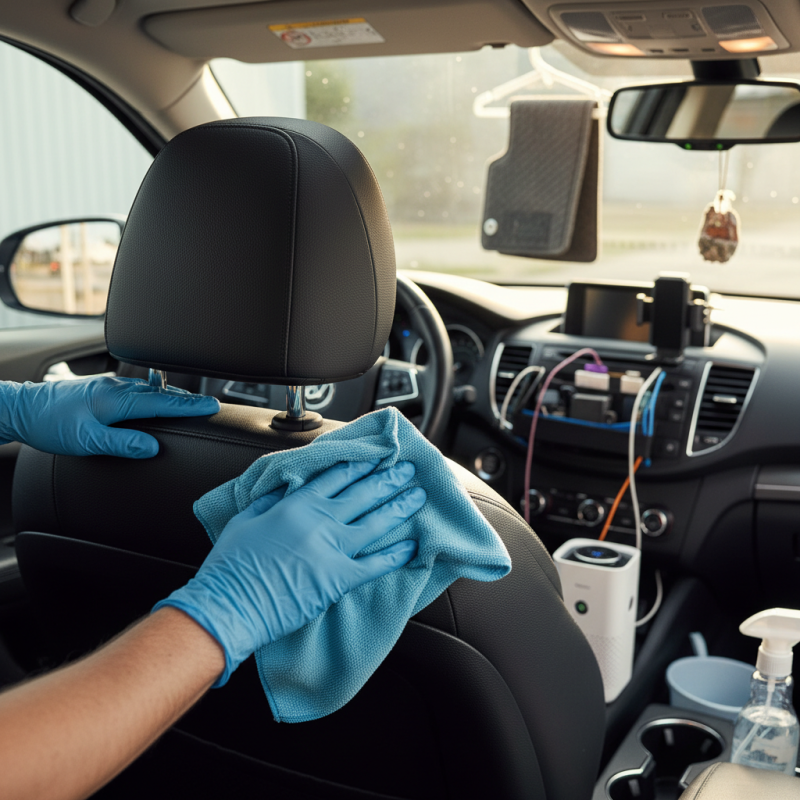
Choosing the right cleaning products for car accessories can make a significant difference in the results you achieve. Start by identifying the materials of your accessories. Upholstery, vinyl, and plastic require different types of cleaners. Look for products designed specifically for automotive use. They often contain ingredients that tackle tough stains while being safe for car materials.
Using the wrong cleaner can damage your accessories. For example, bleach can fade fabrics or warp plastics. Always perform a patch test in an inconspicuous area first. If you notice any damage, you might need to rethink your choice. Some people prefer natural cleaners. Vinegar and baking soda can be effective but may lack the power needed for tough grime.
Pay attention to the product instructions and dilution ratios. Overly concentrated solutions can leave residues. This can affect the overall appearance of your car. Remember to also consider scent. Some cleaning products may leave a strong chemical smell. This can be off-putting in a confined space like a car. Reflecting on these points helps ensure safer, more effective cleaning of your accessories.
Preparing your car accessories for cleaning is an essential step to ensure the best results. Start by gathering all your accessories, like floor mats, seat covers, and sunshades. Remove them from the vehicle completely. This not only gives you a better cleaning space but also helps you see which items require special attention.
Inspect each accessory for any damage. Torn mats or frayed seat covers might need repairs before cleaning. If stains are present, identify their type. Some stains require specific treatments. Testing a small area before applying any solution can prevent unwanted damage. Assemble the necessary cleaning supplies, such as brushes, microfiber cloths, and eco-friendly solutions.
Consider the cleaning environment. Working in a shaded area is ideal. Direct sunlight can cause cleaning solutions to dry too quickly. This can leave behind residue. Take your time to prepare, as the effectiveness of the cleaning process relies heavily on this initial step. Careful preparation can make a huge difference in the cleanliness and longevity of your car accessories.
Cleaning car accessories requires different techniques for various materials. Knowing how to approach each one can lead to better results. For instance, leather can be quite sensitive. Use a soft cloth and a specialized cleaner to avoid damage. According to a report by the American Automobile Association (AAA), improper cleaning can reduce the lifespan of leather components by up to 50%.
Fabric upholstery demands a different method. Vacuum the seats to remove loose debris before using a fabric cleaner. Watch out for stains; they should be treated promptly. Research shows that neglecting stains can lead to permanent damage, significantly decreasing the car's resale value.
For plastic components, a gentle soap and water solution is generally effective. However, be cautious with aggressive scrubbing. Some plastic parts can scratch easily, which may affect their appearance. Many experts recommend using microfiber cloths to minimize this risk. Regular maintenance and proper cleaning can help preserve the aesthetics and functionality of your car accessories, ensuring they last longer and look better overall.
| Accessory Type | Material | Cleaning Method | Recommended Products | Drying Technique |
|---|---|---|---|---|
| Floor Mats | Rubber | Rinse with water, scrub with brush | Mild detergent | Air dry in the sun |
| Dashboard | Plastic | Wipe with microfiber cloth | Multi-surface cleaner | Buff dry with towel |
| Leather Seats | Leather | Clean with damp cloth, condition | Leather cleaner and conditioner | Wipe with soft cloth |
| Car Windows | Glass | Spray and wipe with lint-free cloth | Glass cleaner | Air dry or wipe |
| Steering Wheel | Synthetic leather | Wipe down with disinfectant wipes | Disinfectant wipes | Air dry |
When cleaning car accessories, drying and maintenance are crucial for achieving the best results. After washing, many overlook how vital proper drying techniques are. Excess moisture can lead to mold growth or damage. According to a study by the International Car Care Organization, over 25% of car owners report mildew issues due to improper drying.
To dry your car accessories effectively, use a soft microfiber towel. Avoid rough fabrics, as they can scratch surfaces. Dry in a shaded area to prevent premature drying, which may leave spots. For smaller parts, consider air drying them in a well-ventilated space. This not only helps in avoiding trapped moisture but also minimizes the risk of corrosion.
Maintaining cleanliness requires regular checks. Dust and grime can accumulate quickly. Create a routine cleaning schedule. This could be once a month or more frequently, depending on usage. Note that even with regular cleaning, some blemishes may persist. It's essential to be mindful of product limitations and not expect perfection. Using gentle cleaners and conditioning agents can extend the life of your accessories, but be aware that some wear is inevitable. In conclusion, attention to drying and upkeep can enhance both appearance and longevity.
Cleaning car accessories can enhance both aesthetics and functionality. However, safety must be a priority. Before starting, gather all necessary supplies, such as gloves and masks. These protect against harsh chemicals and dust. Always use well-ventilated spaces to avoid inhaling fumes. If you’re cleaning with chemicals, read labels carefully. Some products are risky for both users and surfaces.
Consider using a gentle cleaner for delicate materials. Harsh substances can damage leather or plastic. Employ soft cloths or sponges to avoid scratches. Protect your hands and avoid direct contact with cleaners. If an accessory feels fragile, test a small area first. This helps gauge the cleaner's effect.
Remember, patience is key. Rushing can lead to accidents or damage. Every step matters, from cleaning steering wheels to seats. Take time to inspect each accessory afterward. Is it truly clean? Did you miss any spots? Reflect on your methods. Maybe there’s a safer alternative to your usual process. Adapting is essential for the best results.
: Identify the materials first. Upholstery and plastic need different cleaners specifically designed for car use.
Using improper cleaners can cause damage. For example, bleach can fade fabrics and warp plastics.
Natural cleaners like vinegar and baking soda can be effective, but they may not tackle tough grime well.
Remove all accessories from the vehicle. Inspect them for damage and identify any stains that require special treatments.
Cleaning in direct sunlight can cause solutions to dry too quickly, leaving behind residues that affect appearance.
Use gloves and masks to protect from harsh chemicals. Ensure well-ventilated areas to avoid inhaling fumes.
Test a small area first. This will help assess the cleaner's effect on delicate accessories to avoid damage.
Strong chemical smells can be off-putting in confined spaces. Opt for products with milder scents.
Careful preparation, like gathering supplies and inspecting items, greatly impacts the effectiveness and longevity of cleaning.
Rushing can lead to mistakes, missed spots, or damage. Taking your time ensures thorough cleaning and better results.
To effectively and safely clean car accessories, it is essential to start by selecting the right cleaning products suitable for the materials involved. Begin by preparing the accessories for cleaning, which may include removing them from the vehicle and ensuring they are free from dust and debris. Next, employ step-by-step cleaning techniques tailored for different materials, such as fabric, plastic, or leather, to ensure thorough cleaning without damage.
Once the cleaning process is complete, proper drying and maintenance of the accessories are crucial to prolonging their lifespan and maintaining their appearance. Additionally, consider important safety tips while cleaning, such as wearing gloves and ensuring proper ventilation, to protect yourself during the cleaning process. By following these steps on how to clean car accessories safely, you can achieve the best results and keep your vehicle's interior looking fresh and well-maintained.

Vivi Auto Accessories