The automotive aftermarket is a dynamic sector. Many car owners seek to enhance their vehicles through accessories. However, understanding what affects the price of car accessories is crucial for making informed purchases. Multiple factors drive these prices, such as brand reputation, material quality, and demand trends.
Brand reputation plays a significant role in pricing. Premium brands often command higher prices due to perceived quality. For instance, a well-known name might use superior materials. This increases production costs, which is reflected in the retail price. However, not all brand names guarantee the best value. Consumers need to remain cautious and not fall for marketing hype.
Additionally, market demand fluctuates. Trends can impact prices significantly. For example, a surge in electric vehicle popularity increases accessory prices. Often, limited supply means higher costs. Buyers may hesitate, but research can lead to better decisions. Ultimately, consumers should consider these aspects carefully to avoid overspending on car accessories.
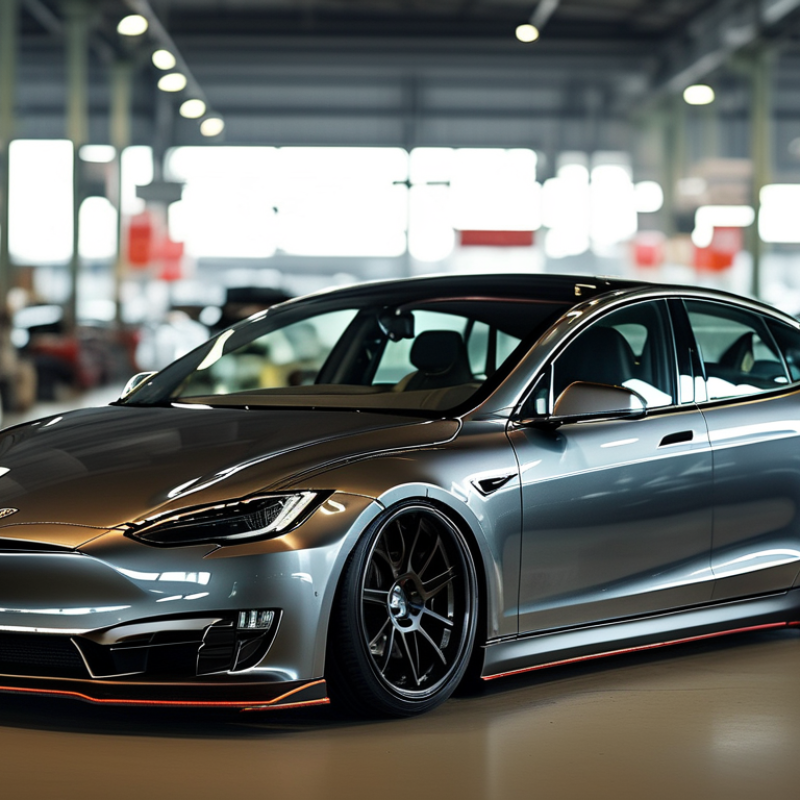
The manufacturing costs of car accessories can vary widely. Several factors influence these costs. Materials play a significant role. High-quality materials tend to drive up expenses. However, they often lead to better durability and performance. Cheaper materials may lower costs but could compromise quality.
Labor costs are another crucial factor. Skilled labor can be expensive but improves the craftsmanship of car accessories. Labor shortages can also increase costs as companies compete for skilled workers. This aspect is often overlooked. Additionally, the location of the manufacturing facility impacts expenses. Shipping costs, tariffs, and local regulations can add to the final price.
Technology in manufacturing is evolving. Automation can reduce labor costs and increase efficiency. Yet, initial investments in technology can be high. Companies must balance the cost of machinery against potential savings. Product design complexity is another challenge. More intricate designs usually require more time and resources to produce. This can be a double-edged sword, as it may enhance appeal but also raise costs.
Brand reputation plays a critical role in determining the prices of car accessories. If a brand is well-respected, customers often associate higher prices with better quality. People tend to trust brands that have positive reviews and a strong presence. When they invest in accessories from trusted names, consumers feel more secure about their purchases.
However, not all reputable brands deliver consistently high-quality products. Some may cut corners in manufacturing or use lower-grade materials to save costs. This inconsistency can lead customers to question their loyalty. Even established brands occasionally face backlash. A single poor review can tarnish a brand's reputation and, consequently, its pricing strategy.
Moreover, brand loyalty can create a sense of bias among consumers. They might overlook flaws in a product simply because of its brand. Although a strong reputation can justify higher prices, it’s essential for consumers to weigh value against cost. Many buyers need to challenge their perceptions and conduct thorough research before making a purchase. Sometimes, less-known brands offer excellent products at a better price. Balancing brand reputation with actual quality is crucial for informed buying decisions.
| Accessory Type | Brand Reputation Score (1-10) | Average Price ($) | Material Quality Score (1-10) | Sales Volume |
|---|---|---|---|---|
| Seat Covers | 8 | 150 | 9 | 5000 |
| Dash Cameras | 7 | 200 | 8 | 3000 |
| Floor Mats | 9 | 80 | 7 | 7000 |
| Cargo Carriers | 8 | 350 | 9 | 2000 |
| Car Covers | 6 | 120 | 6 | 4000 |
Market demand and supply significantly shape the pricing strategies of car accessories. When consumer interest in a specific type of accessory rises, prices tend to increase. For instance, a report from Grand View Research indicates that the global car accessories market is expected to reach around $420 billion by 2027, highlighting the growing demand for these products. Shifts in preferences can cause fluctuations in pricing, making it crucial for sellers to adapt swiftly.
Supply chain dynamics also play a crucial role. According to IBISWorld, disruptions can lead to inventory shortages, impacting prices. Limited availability often drives up prices, reflecting the imbalance between demand and supply. Sellers must stay alert to market trends. Gauge the supply chain health regularly to forecast price adjustments.
Tips: Research consumer preferences frequently. Understanding what buyers want can help strategize pricing effectively. Use market analysis tools to stay informed about supply levels. A proactive approach can help mitigate unexpected price hikes. Be prepared for demand spikes and adjust inventory accordingly.
Technological advancements
significantly impact the cost of car accessories. Innovations often lead to
lower production costs as
new manufacturing processes streamline tasks. For instance,
3D printing allows
for precise parts that reduce waste and labor time. This technology can also lead to
a wider variety of accessories, as manufacturers can experiment without high initial costs.
However, not all advancements lower prices. Some technologies introduce features that
command a premium. For example,
smart car accessories with connectivity features can be more expensive due to the
research and development involved. Buyers should be cautious. Sometimes, flashy
features do not justify the high price tag.
Tips for shopping smartly
include comparing prices online and exploring second-hand options. Look for seasonal
sales or discounts. Research the latest trends, but also assess your actual needs.
Sometimes the simplest accessories provide the best value. Focus on
reliability and ensure
compatibility with your vehicle. This approach can help avoid overspending on
unnecessary upgrades. Remember, the newest
isn't always the best.
Seasonal trends can significantly influence car accessory pricing. During winter, demand for items like snow chains and heated seat covers increases. Retailers often raise prices in response to this heightened demand. Conversely, summer may see a drop in prices for items less in demand, like windshield sunshades. As seasons change, so does consumer interest, leading to price volatility in the market.
Consumers should be mindful of these trends. Shopping for accessories off-season can lead to discounts. For instance, purchasing holiday decorations for cars after the season ends yields substantial savings. However, some consumers might overlook this strategy, missing valuable opportunities. Understanding market dynamics is crucial for making informed decisions.
Weather patterns also play a role in pricing. Regions that experience harsh winters see a spike in demand for specific products, consequently increasing prices. Yet, in milder areas, the demand remains stable, influencing cost differently. Awareness of local climate and seasonal changes can empower consumers to better navigate the accessory market.
: Technological advancements often lower production costs through efficient manufacturing processes. 3D printing reduces waste and speeds up production.
No, some innovations increase costs, especially if they include premium features. Smart accessories often have higher prices due to research and development.
Buyers should assess if flashy features truly add value. Sometimes, basic accessories meet needs effectively at a lower cost.
Compare prices online, explore second-hand options, and look for seasonal sales. Research trends but focus on actual needs, not just fads.
During winter, demand for specific items rises, leading to higher prices. Conversely, summer may mean discounts on less sought-after accessories.
Shopping for accessories off-season often results in significant savings. For example, post-holiday sales offer discounts on festive car decorations.
Harsh winters increase demand for winter accessories, raising prices. Milder climates see more stable demand, affecting accessory costs differently.
Many consumers overlook off-season shopping opportunities, missing out on valuable discounts. Awareness of market dynamics is crucial for savings.
Local climate knowledge helps consumers anticipate pricing changes. It empowers better decision-making based on demand fluctuations in their area.
The price of car accessories is influenced by a variety of interrelated factors that shape both manufacturing costs and market dynamics. Key factors affecting manufacturing costs include raw materials, labor, and production processes. Additionally, brand reputation plays a significant role in determining prices, as consumers often associate higher-quality accessories with well-established brands. Market demand and supply dynamics also dictate pricing strategies, with higher demand often leading to increased prices, while supply fluctuations can lead to price adjustments.
Technological advancements further influence accessory costs by enabling more efficient manufacturing processes and introducing innovative features that appeal to consumers. Finally, seasonal trends can affect pricing, as certain accessories may see higher demand during specific times of the year, leading to variations in their market prices. Overall, understanding "what affects the price of car accessories" requires a comprehensive look at these multifaceted elements within the automotive market.

Vivi Auto Accessories