When it comes to enhancing your vehicle, knowing how to install car accessories properly is essential. Proper installation not only ensures functionality but also prolongs the life of your accessories. Many car owners underestimate this task, leading to costly mistakes. A poorly installed accessory can disrupt your vehicle's operation or even damage its interior.
Attention to detail is key during installation. Each accessory comes with specific instructions, yet many people overlook them. This can result in subpar performance or potential safety risks. It's vital to take your time and carefully follow the steps for each item.
Utilizing the right tools makes a significant difference. Ensure you have all necessary equipment on hand before beginning any installation. There’s no room for shortcuts here. Reflect on past experiences if you've encountered issues before. Learning from mistakes can lead to better results in future installations.
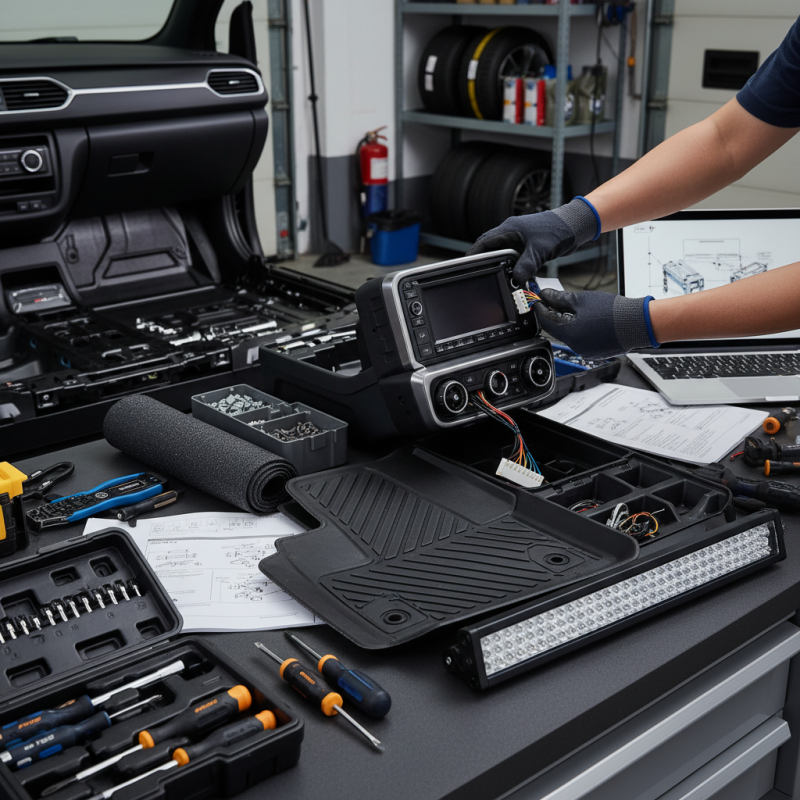
Understanding your vehicle's electrical system is crucial for installing car accessories correctly. A survey by the Vehicle Technology Association indicates that 70% of aftermarket installations lead to electrical issues. It’s vital to know where power sources are located and how they interact with the existing wiring.
Start by reviewing your vehicle's manual. It contains detailed information about the electrical system. Look for wiring diagrams that clarify connections. Many vehicles have sensitive electronics, making them vulnerable to improper installation. A small mistake can cause costly damage or even safety hazards.
Checking your battery voltage is also essential. Ensure it's within the recommended range, typically between 12.4 to 12.7 volts when the engine is off. If it's low, charge it before proceeding. Misjudging voltage can result in your accessory not functioning properly or draining the battery. Maintaining a good understanding of the electrical layout enhances your confidence during installation, but mistakes are always possible. Reflect on your past experience and always be ready to learn from any errors.
| Tip Number | Installation Tip | Detailed Description | Reason |
|---|---|---|---|
| 1 | Read the Manual | Always refer to the vehicle and accessory manuals before starting installation. | Ensures compatibility and correct installation procedures. |
| 2 | Check the Vehicle's Electrical System | Inspect the battery and wiring to ensure they can handle additional accessories. | Prevents electrical failures and ensures safety. |
| 3 | Use Quality Tools | Invest in good quality tools for a reliable installation process. | Reduces the chance of damaging parts and ensures better results. |
| 4 | Disconnect the Battery | Always disconnect the battery before starting any electrical work. | Minimizes the risk of electrical shock and short circuits. |
| 5 | Identify Ground Points | Know where to attach ground wires to ensure proper functionality. | A good ground connection is crucial for electrical components to work correctly. |
| 6 | Test Before Finalizing | Test the accessory after initial installation but before securing everything. | Helps identify issues before wasting time on final assembly. |
| 7 | Use Fuses Appropriately | Install the correct fuse ratings for the added accessories. | Protects your vehicle's electrical system from overloads. |
| 8 | Secure Wiring Properly | Ensure wires are not exposed to moving parts or sharp edges. | Prevents wear and damage to wiring over time. |
| 9 | Follow Safety Guidelines | Wear safety glasses and gloves when working with electrical parts. | Ensures personal safety during the installation process. |
| 10 | Seek Professional Help if Needed | Don’t hesitate to contact a professional if you’re uncertain about the process. | Ensures the job is done safely and correctly, especially for complex systems. |
: The right accessories improve functionality and appearance. Each vehicle model has unique specifications.
Consult your vehicle's manual for compatibility insights. It is a crucial first step before purchasing.
Quality should be prioritized. Cheaper options can lack durability and lead to safety issues.
It's okay to feel unsure. Take your time, and consider seeking professional help if needed.
A basic toolkit with screwdrivers, wrenches, and pliers is essential. Additionally, a socket set is helpful for larger fittings.
Safety gear protects against cuts and debris. Neglecting safety can lead to accidents during installation.
Proper installation is key. Reports show improper installation causes a significant number of failures.
Rushing the process or not having the right tools often leads to mistakes. Preparation is vital.
Look for user reviews specific to your vehicle type. Feedback helps gauge product performance.
Many forget to familiarize themselves with the necessary tools, leading to improper installations.
Properly installing car accessories can enhance your vehicle's functionality and comfort. To accomplish this effectively, it's crucial to first understand your vehicle's electrical system, as it ensures safe and efficient installation. Choosing the right accessories tailored to your specific vehicle model is equally important, as it promotes compatibility and optimal performance.
Equipping yourself with the necessary tools is the next step in the installation process. Following a clear, step-by-step guide for popular accessories will provide a structured approach to installation. Once completed, remember to test and maintain these accessories regularly to ensure longevity and reliability. By following these best practices, you'll learn how to install car accessories properly, ensuring a safer and more enjoyable driving experience.

 Vivi Auto Accessories