7 Tips What Accessories Are Best for Long Trips?

Time:2026-10-26 Author:Oliver
0%

Long journeys can turn small inconveniences into serious discomfort. A loose charging cable may disappear beneath a seat. Poor neck support can make a six-hour flight feel endless. The right accessories should reduce these problems without filling every pocket.

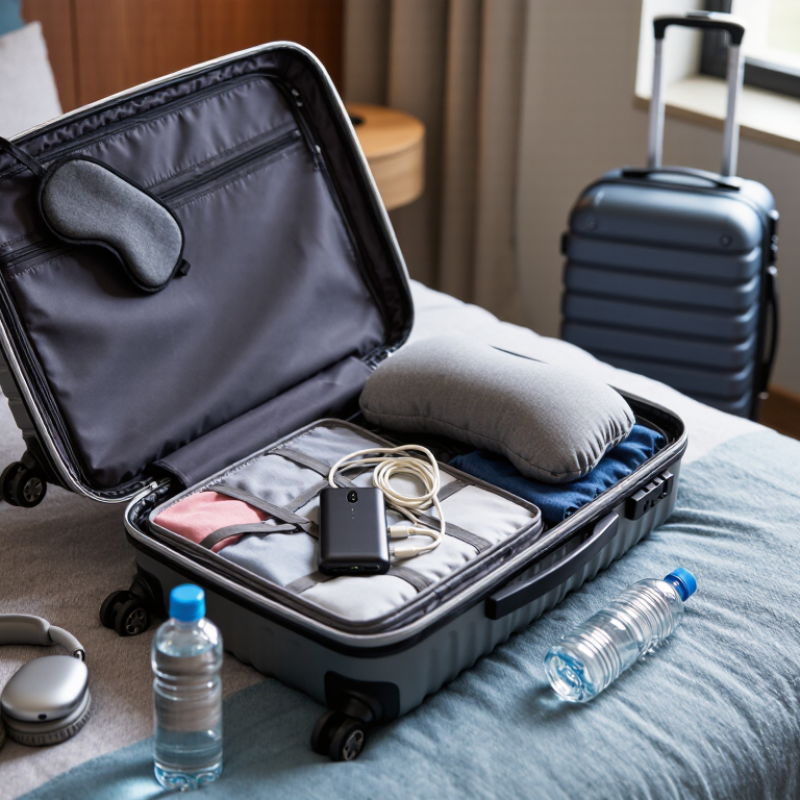
So, what accessories are best for long trips? The answer depends on transport, destination, health needs, and personal habits. A compact travel pillow, breathable eye mask, refillable water bottle, lightweight power bank, packing cubes, and comfortable headphones often provide practical value. However, none of them works perfectly for everyone. A pillow that supports one traveler may feel too firm for another.

Rick Steves, a respected travel educator and longtime guidebook author, advises, “The less you bring, the more you enjoy your trip.” That principle remains useful. Every accessory should earn its space through comfort, convenience, or safety. Test important items before departure. Wear the shoes during a full day. Try the pillow on a sofa. Check whether the power bank feels too heavy in your hand.

This guide explores seven practical tips for choosing travel accessories. It considers real-world details, including limited luggage space, crowded terminals, charging gaps, and changing weather. Some recommendations may seem obvious. They still deserve attention. Reliable preparation often depends on simple items used consistently. And sometimes, leaving one accessory behind is the smarter decision.
7 Tips What Accessories Are Best for Long Trips?

Choosing Accessories Based on Trip Length and Travel Conditions

7 Tips: What Accessories Are Best for Long Trips?

Choosing accessories by trip length and travel conditions prevents overpacking and discomfort. For a weekend journey, Tip 1 is a compact day bag for water, documents, and a light layer. Tip 2 is a reusable bottle, especially when reliable refill points are available. Keep it simple. For trips lasting one to two weeks, Tip 3 is a small laundry pouch and quick-drying clothing line. I have found that washing one shirt at night reduces luggage pressure, although drying can take longer than expected in humid rooms.

For cold destinations, Tip 4 is a soft neck warmer and moisture-resistant gloves. They are useful during early departures and long outdoor transfers.

In rainy areas, Tip 5 is a lightweight waterproof cover for your bag, not only a jacket. Wet electronics become a serious problem.

Tip 6 is a power bank with the correct charging cables, but check capacity rules before flying. A short cable is easier to manage on crowded transport.

For road trips or remote routes, Tip 7 is a basic first-aid pouch, including personal medication, plasters, and antiseptic wipes. Add a small flashlight when journeys may continue after sunset. I once packed too many “useful” accessories and carried several untouched items for days. That mistake changed my packing method. Choose accessories for expected weather, transport, and access to shops, rather than packing for every imaginary problem.

Packing Comfort Essentials for Rest, Clothing, and Personal Care

7 Tips What Accessories Are Best for Long Trips?

Packing comfort essentials starts with sleep. The American Academy of Sleep Medicine recommends at least seven hours nightly for most adults. A supportive neck pillow, soft eye mask, and noise-reducing earplugs can protect rest in bright cabins. Choose breathable layers instead of one heavy jacket. A loose shirt, stretch trousers, and clean socks help when temperatures change. Pack one spare outfit in your carry-on. Delays happen.

Personal care should stay simple and reachable. Carry a small pouch with a toothbrush, toothpaste, facial wipes, moisturizer, lip balm, tissues, and a comb. The CDC Yellow Book emphasizes regular hand hygiene during travel, especially in crowded transport settings. Add alcohol-based hand sanitizer where permitted. Keep liquids in leak-resistant containers and follow current security rules. I once packed a tiny bottle badly. It opened everywhere.

Your accessories should reduce decisions, not create clutter. SITA’s 2024 Baggage IT Insights reported 6.9 mishandled bags per 1,000 passengers in 2023. That supports keeping medication, essential toiletries, sleep items, and a change of clothes with you. Use a lightweight pouch with clear sections. A refillable water container can support hydration after security screening. Avoid overpacking “just in case” items. I still do this sometimes. One forgotten charger can matter more than three extra shirts.

7 Tips: What Accessories Are Best for Long Trips?

Approximate packed weight of practical comfort essentials for rest, clothing, and personal care. Choosing lightweight accessories can help keep luggage manageable while supporting comfort during long journeys.

Tip: Prioritize multipurpose, compact items such as packing cubes, a reusable toiletry pouch, an eye mask, and comfortable clothing layers. Actual weights vary by material and size.

Selecting Devices and Power Accessories for Long-Haul Travel

7 Tips: What Accessories Are Best for Long Trips?

Selecting Devices and Power Accessories for Long-Haul Travel

Long trips punish weak charging plans. I once packed three cables but forgot the correct wall adapter. Now I check every device before leaving. Choose one compact charger with multiple ports, then carry two short cables. Keep a small cable pouch beside your passport. It prevents searching under the seat.

A power bank is useful during airport delays and overnight flights. Select a model with clear capacity labeling and built-in safety protection. Keep spare lithium batteries in carry-on luggage, and check current airline rules before departure. SITA’s 2024 Passenger IT Insights reported that 70% of travelers used smartphones during their airport journey. Your phone now supports boarding, payments, translation, and emergency contact. A second charging option matters. Add a universal travel adapter for international routes. Avoid carrying unnecessary converters unless your devices require them.

Use wired headphones as a backup when wireless batteries fail. Pack a lightweight tablet or e-reader instead of several heavy devices. Download maps, tickets, and entertainment before reaching the airport. The International Energy Agency reported that global data traffic continues rising with expanding digital services, reminding travelers that connectivity depends on power and networks. I still overpack accessories sometimes. That is worth reconsidering. The best kit should fit in one small pouch, charge essential devices, and remain easy to inspect. A short charging cable, power bank, adapter, headphones, and storage pouch usually cover the practical needs.

Using Storage and Organization Tools to Manage Travel Belongings

7 Tips: What Accessories Are Best for Long Trips?

Using storage and organization tools makes long trips calmer and more manageable. After several journeys, I learned that loose items create stress quickly. Packing cubes separate shirts, underwear, and colder-weather layers. Smaller pouches keep chargers, medicine, and personal care items together. Choose flexible storage tools that fit your luggage, rather than filling every space.

Tip: Keep daily essentials within reach. A slim document organizer can hold identification, reservations, and emergency contact details. A cable pouch prevents wires from tangling inside your bag. Add a washable laundry bag for used clothing. It protects clean items and makes unpacking easier. Clear labels help when several bags look similar.

Do not compress everything tightly. Overfilled compartments become difficult to close and can damage delicate items. I still pack too many “just in case” clothes sometimes. That habit needs review.

Before leaving, remove anything unused during a normal week. A small luggage scale can reveal hidden weight, especially after souvenirs or snacks are added. Keep one empty pouch for unexpected small belongings. Simple systems work best when you can maintain them while tired.

Preparing Safety, Health, and Emergency Accessories for the Journey

7 Tips What Accessories Are Best for Long Trips?

Preparing Safety, Health, and Emergency Accessories for the Journey

Long journeys test small preparations. I have learned that comfort matters less when a minor injury becomes urgent. Tip 1: Pack a compact first-aid kit with sterile dressings, antiseptic wipes, blister pads, gloves, and tweezers. Tip 2: Carry prescribed medicines in their original containers, with a medication list and emergency contacts. Keep them accessible. A waterproof pouch protects supplies from rain and spilled drinks.

Tip 3: Bring a thermometer, hand sanitizer, tissues, a refillable water bottle, and oral rehydration supplies. Tip 4: Add sunscreen, insect repellent, and any allergy treatment you regularly use. Check expiry dates before leaving. I once packed pain relief but forgot its dosage instructions. That was careless. Now I review every item twice. Small details matter.

Tip 5: Carry a flashlight with spare batteries, an emergency blanket, and a whistle. Tip 6: Save offline directions and keep a simple paper map, especially where phone signals may disappear. Tip 7: Use a fully charged power bank and store important contact numbers on paper. Share your travel plan with someone you trust. Also consider supportive socks or a neck cushion for long sitting. I sometimes overpack health accessories, but removing essential items creates a bigger problem.

7 Tips: What Accessories Are Best for Long Trips? — Preparing Safety, Health, and Emergency Accessories for the Journey

No. Accessory Main Travel Benefit Recommended Features Packing and Safety Tip Priority
1 Compact First-Aid Kit Handles minor cuts, blisters, headaches, and basic travel injuries. Adhesive dressings, sterile gauze, antiseptic wipes, medical tape, disposable gloves, tweezers, and commonly used personal medicines. Check medicine expiry dates before departure and keep prescriptions in original labeled packaging. Essential
2 Reusable Water Bottle Supports regular hydration and reduces reliance on single-use containers. Leak-resistant design, secure lid, easy-clean opening, and a capacity of about 500–1,000 ml. Fill it where safe drinking water is available; increase water planning in hot climates or during physical activity. Essential
3 Portable Power Bank and Charging Cable Keeps a phone available for navigation, communication, and emergency calls. Adequate capacity for at least one full phone recharge, charge-level indicators, and a cable compatible with the device. Carry lithium-battery power banks according to the airline or transport operator’s current rules; protect ports from metal objects. Essential
4 LED Flashlight or Headlamp Provides visibility during delays, nighttime walking, power outages, or roadside problems. Bright white light, simple controls, secure grip or head strap, spare batteries, and weather-resistant construction. Store it where it can be reached quickly rather than at the bottom of a suitcase. High
5 Emergency Contact Card Provides essential information if the traveler is injured, unconscious, or unable to access a phone. Emergency contacts, allergies, important medical conditions, regular medicines, blood type if medically confirmed, and travel insurance details. Keep one printed copy in a wallet or bag and a backup copy in a protected digital location. High
6 Travel Health and Hygiene Kit Helps maintain hygiene and comfort during long periods in shared or crowded spaces. Hand sanitizer, tissues, soap sheets, face coverings where appropriate, wet wipes, toothbrush, toothpaste, and personal hygiene supplies. Use hand hygiene before eating and after contact with frequently touched public surfaces. High
7 Emergency Blanket and Whistle Adds warmth and improves visibility or signaling during an unexpected delay or outdoor emergency. Lightweight reflective blanket, loud whistle, compact storage pouch, and tear-resistant material. Keep both items accessible, especially on road trips, hiking routes, remote journeys, or trips with unpredictable weather. High

Preparation tip: Select accessories according to the destination, weather, transport method, trip length, personal medical needs, and access to reliable services.

FAQS

What accessories suit a weekend trip?

Carry a compact day bag, reusable water bottle, travel documents, and one light layer. Keep it simple.

What should I pack for a one- or two-week journey?

Add a small laundry pouch and a quick-drying clothing line. Washing one shirt at night can reduce luggage pressure.

Which accessories help in cold destinations?

Pack a soft neck warmer and moisture-resistant gloves. They help during early departures and long outdoor transfers.

What should I bring for rainy travel?

Use a lightweight waterproof cover for your bag. Wet electronics can cause serious problems.

How can I manage charging accessories while traveling?

Carry a power bank with the correct cables. Check current transport capacity rules before flying.

What comfort items support sleep during long trips?

Bring a supportive neck pillow, soft eye mask, and noise-reducing earplugs. Breathable layers work better than one heavy jacket.

Which personal-care items should stay accessible?

Use a small pouch for a toothbrush, toothpaste, wipes, moisturizer, tissues, and a comb.

How can storage tools reduce luggage stress?

Use packing cubes for clothing and smaller pouches for cables, medication, and toiletries.

What is useful for road trips or remote routes?

Pack a basic first-aid pouch, personal medication, plasters, antiseptic wipes, and a small flashlight.

Conclusion

Planning for a long journey becomes easier when you choose accessories according to the trip’s length, destination, weather, and transportation conditions. What accessories are best for long trips depends on your personal comfort and daily needs, but useful essentials may include a supportive travel pillow, eye mask, lightweight blanket, comfortable clothing, sleep aids, and basic personal care items. These accessories can help you rest well, stay fresh, and adjust to changing environments during extended travel.

Technology and organization are equally important. Bring suitable charging cables, a reliable power bank that follows transportation rules, and a compact adapter when necessary. Storage pouches, packing cubes, and document holders can keep clothing, electronics, toiletries, and travel papers easy to find. Finally, prepare practical safety and health items such as a small first-aid kit, prescribed medication, hand sanitizer, tissues, reusable water containers, and emergency contact information. With thoughtful preparation, your accessories can reduce stress, save space, and make the entire journey more comfortable and organized.

Oliver

Oliver

Oliver is a seasoned marketing professional with a wealth of expertise in driving brand awareness and engagement. With a deep understanding of our company's product offerings, he consistently delivers high-quality content that enriches our professional blog. His insights not only shed light on......