Choosing the best car accessories in 2026 means weighing more than appearance or a low sticker price. SEMA’s 2024 Market Report estimated that U.S. consumers spent $52.6 billion on specialty-equipment products in 2023. That figure covers a broad category, not accessories alone, but it shows how large and varied the market has become. A dashboard camera, roof rack, and fitted cargo liner serve different needs. Their prices are shaped by different materials, designs, and installation requirements.
What affects the price of car accessories often starts with fit and construction. A model-specific floor mat may cost more than a universal one because it is shaped to match a vehicle’s floor. Weather-resistant materials, reinforced stitching, tested electronics, and longer warranties can also add cost. Brand reputation matters, though a higher price does not automatically guarantee better performance. Check compatibility, warranty terms, and independent product testing where available. Installation can change the real total, too. A basic seat organizer may need no tools; a professionally installed roof rack may require vehicle-specific parts and labor. Small details count.
The numbers have limits. SEMA’s market estimate describes spending across a wide product category, not what one driver should pay. Prices also vary by vehicle, retailer, and region. For a practical comparison, look beyond the shelf tag and consider fit, durability, installation, and after-sales support. A cheaper accessory can be a sensible choice. Sometimes, it is not.
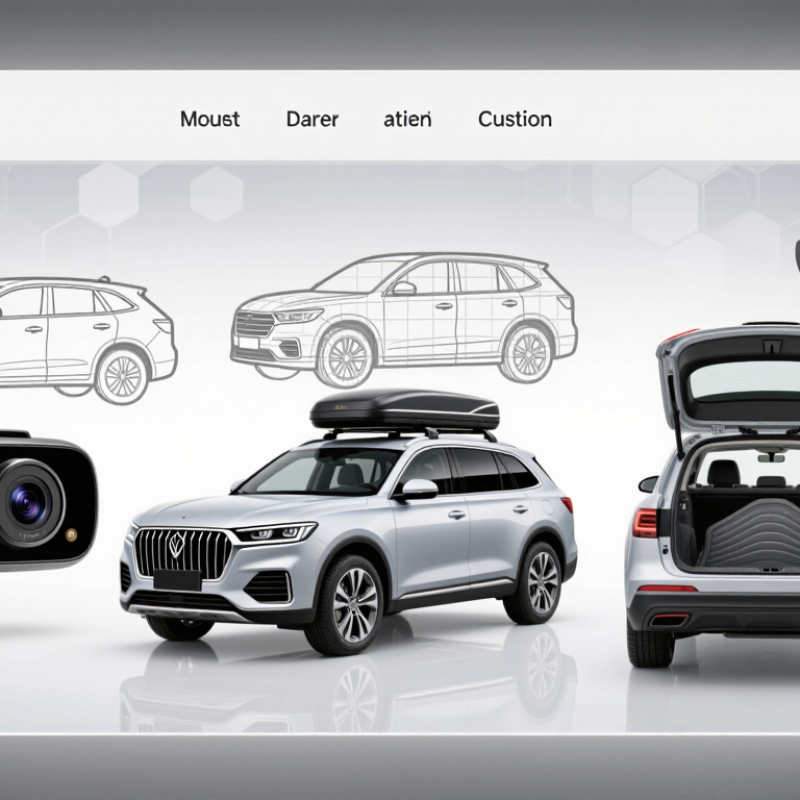
Car accessories are add-on products that improve a vehicle’s comfort, protection, utility, appearance, or performance. They may be installed at the factory or added later. A rubber cargo liner, a phone mount, and a roof carrier serve very different needs. That boundary is not always neat: some products are practical and decorative at once.
A useful classification is by function. Safety and protection accessories include floor mats and protective covers; comfort items include seat cushions and sunshades. Utility products help carry or organize cargo, while electronic accessories support charging, navigation, or recording. Appearance and performance products form separate groups, though their effects can overlap. SEMA’s 2024 State of the Specialty-Equipment Market report estimated U.S. retail sales of specialty-equipment products at $52.3 billion in 2023. That figure covers a broad product market, not car accessories alone, so it should not be treated as a precise accessory-market total. Categories and estimates vary by report.
Tips: Classify an item by its main job, then check fit, materials, and installation needs. Measure the cargo area before buying a liner. Small details matter.
In 2026, the car accessories that stand out are likely to be practical, compact, and easy to evaluate. A well-placed dash camera can record traffic events, but clear footage at night matters more than flashy resolution claims. Check its viewing angle, storage needs, and mounting position before buying. Small details matter. Wireless charging mounts are useful on long commutes, especially when they hold a phone securely. However, heat can interrupt charging, and a mount that blocks the driver’s view is a poor choice. That trade-off is easy to overlook.
Portable tire inflators and compact jump starters can offer peace of mind when trouble occurs far from home. Choose equipment suited to your vehicle, and learn its limits before an emergency. Cargo organizers, washable seat covers, and trunk liners are less exciting. They help contain muddy shoes, groceries, and loose tools. Yet fit varies between vehicles, and bulky organizers can take up valuable cargo space. Not every upgrade earns its place. Compare compatibility, safety features, warranty terms, and replacement costs—not just the price tag. An accessory that is awkward to use may end up forgotten in the garage.
These indicative U.S. retail price ranges show how costs vary by accessory type. Materials, features, vehicle fit, and installation can affect the final price; actual prices vary by seller and vehicle.
Car accessory prices reflect materials, design, fit, and the work needed to install them. A basic rubber floor mat usually costs less than a fitted set with raised edges and thicker backing. Small details matter. UV-resistant fabric, reinforced stitching, and corrosion-resistant hardware can raise production costs. An aluminum roof rack may cost more than a simple steel one because weight, load ratings, and finish all affect its design.
Vehicle compatibility also changes the price. A backup camera made for a specific dashboard may need custom brackets or wiring adapters. Some installations require removing interior panels, which adds labor. That adds time. Prices can also vary with shipping, seasonal demand, and whether the accessory is sold as a single piece or a complete kit. A kit may look costly but include clips and tools that would otherwise be purchased separately.
Testing and warranty coverage can influence the final price, too. A longer warranty may reflect added testing, but it does not guarantee a product will suit every vehicle. Check the fit guide, included parts, and return terms before buying. I would not treat the cheapest option as automatically poor; sometimes the design is simply less complicated. That judgment can be wrong. Compare the actual materials and installation needs, not just the number on the shelf.
A car accessory’s price often reflects what it does, not just how it looks. A basic phone mount may use a simple clamp, while a powered mount adds charging coils, wiring, and heat management. More features mean more parts to test and support. Fit matters, too: a custom-fit floor liner usually costs more than a universal mat because its shape must match the vehicle’s floor.
Materials change the bill. A lightweight aluminum roof rack may cost more than a basic steel one, while thick molded liners can resist wear better than thin plastic. Yet a premium material is not automatically the better choice for every driver. A 2023 SEMA Market Report valued the U.S. specialty-equipment market at about $52.3 billion in 2022. That figure shows the breadth of the category, not a set price for any single accessory. Still, it helps explain why quality and feature options vary so widely.
Brand reputation can influence prices through testing, warranties, customer service, and parts availability. These differences matter most when an accessory has electronics or must fit precisely. A lower-priced product may work well, but check its installation instructions, material details, and return terms before buying. Small details count. A loose connector or poor fit can turn a bargain into wasted money.
| Accessory | Typical U.S. Price Range | Features That Can Raise the Price | Material and Build Quality | How Brand and Product Tier Influence Cost |
|---|---|---|---|---|
| All-weather floor mats | $30–$250 per set | Vehicle-specific shaping, deeper channels, raised edges, and coverage for additional rows. | Basic flexible thermoplastic is generally less costly; thicker, odor-controlled rubber-like compounds and reinforced backing tend to cost more. | Entry-level options are usually universal-fit. Established makers and premium product lines may charge more for precise fit, durability testing, and longer warranties. |
| Phone mount | $10–$80 | Magnetic attachment, adjustable arms, one-handed release, and wireless charging add features and cost. | Simple plastic mounts tend to be less expensive; metal components and stronger joints can increase price. | Budget models focus on basic mounting. Higher-tier products may cost more for sturdier construction, better adjustability, and warranty support. |
| Dash camera | $40–$400 | Higher-resolution recording, front-and-rear coverage, GPS, parking monitoring, and larger or faster storage support can raise the price. | Lens and sensor quality, heat-resistant components, and a durable power cable influence both cost and expected service life. | Well-known product lines may carry a premium for software support, firmware updates, and customer service; specifications still vary by model. |
| Seat covers | $50–$500 per set | Vehicle-specific patterns, airbag-compatible seams, extra row coverage, and tailored fit can increase cost. | Polyester and basic fabric options are commonly less expensive than thicker woven fabrics, neoprene-style materials, or leather-like upholstery. | Lower-priced covers are often universal-fit. Higher-tier options may charge more for custom fit, finish, and material testing. |
| Portable tire inflator | $25–$150 | Digital pressure controls, automatic shutoff, preset modes, a built-in light, and cordless operation can add cost. | Motor durability, hose quality, and battery capacity affect the build and price. Corded models may cost less than comparable cordless models. | Higher product tiers may include longer warranties or more robust components; compare stated inflation capability and duty cycle. |
| Jump starter | $50–$250 | Higher stated peak current, added USB charging, a work light, and protection against incorrect connections can increase the price. | Battery capacity, cell quality, cable thickness, and clamp construction are major cost factors. | Premium lines may cost more for tested safety protections, support, and warranty coverage. Suitability depends on the vehicle and engine requirements. |
| Roof rack crossbars | $150–$900 | Vehicle-specific fit, higher load ratings, integrated locks, and compatibility with specialty carriers affect price. | Steel bars are often less costly; lightweight aluminum designs and aerodynamic profiles generally cost more. | Established makers may charge a premium for fit guidance, accessory compatibility, and replacement parts. Always follow the vehicle roof-load limit. |
| Roof cargo box | $300–$1,500 | Greater capacity, dual-side opening, central locking, and quick-mount hardware can raise the price. | Shell thickness, UV-resistant plastics, hinges, and latch quality contribute to durability and cost. | Premium product tiers may offer more refined aerodynamics, fit systems, and warranty coverage; prices also vary with box size. |
| Car cover | $40–$300 | Vehicle-specific sizing, multiple weather layers, mirror pockets, and secure straps can add cost. | Lightweight indoor fabric is usually less expensive than multilayer, weather-resistant fabric designed for outdoor use. | Higher-tier covers may cost more for fit, stitching, fabric performance, and warranty support. Choose a cover suited to indoor or outdoor use. |
Price note: These are approximate U.S. retail ranges for common products, not quotes or guaranteed 2026 prices. Actual prices vary by vehicle compatibility, product specifications, retailer, and sales tax. No specific company or brand is endorsed.
2026 Best Car Accessories What Affects Their Price?
How Can Buyers Compare Accessories and Choose the Right Value?
A useful comparison starts with the job an accessory must do. A cargo liner for muddy boots needs a raised edge and a surface that cleans easily. A phone mount should hold securely without blocking the driver’s view. Check dimensions, materials, fitting requirements, and compatibility with your vehicle before comparing prices. A low shelf price can become less attractive after installation fees or extra parts.
Look beyond the initial cost. Consider expected wear, cleaning needs, replacement availability, and the length and limits of any warranty. Read recent reviews for specific details, such as loose clips or fading after sun exposure. Reviews are imperfect, though; one person’s poor fit may reflect a different vehicle trim. When possible, compare product specifications with your owner’s manual or ask a qualified installer about fit and safety.
Tips: Write down your must-haves and a realistic budget. Compare the full installed cost, not just the listed price. Check return conditions before opening the package, and keep your receipt. If two options seem equally suitable, choose the one with clearer specifications and easier care. Small details matter. A bargain that rattles every trip may not feel like value for long.
Prices reflect materials, design, vehicle fit, installation time, shipping, and included parts. Small details matter.
A fitted liner must match the vehicle’s floor shape. Raised edges and thicker backing also add material and production costs.
Not always. Aluminum can be lighter than steel, while thick molded liners may resist wear better than thin plastic. The right choice depends on your needs.
A powered phone mount needs charging parts, wiring, and heat management. More features mean more components to test and support.
Specific accessories may need custom brackets or wiring adapters. Some installations also require removing interior panels, which adds labor.
Check the listed price, installation fees, and extra parts. Compare the complete installed cost, not just the shelf price.
Review its dimensions, materials, fit guide, installation instructions, return terms, and warranty limits. Keep your receipt.
Reviews can reveal issues like loose clips or fading. But trim differences matter, and one poor fit may not predict yours.
Compare care needs, replacement availability, and warranty details. I might focus too much on price; clearer specifications can matter more. A rattling liner gets old fast.
Car accessories range from practical essentials, such as floor mats and phone mounts, to comfort, safety, and technology upgrades. In 2026, useful options include compact organizers, improved lighting, driver-assistance devices, and accessories that support in-car connectivity. The best choice depends on the vehicle, driving habits, and which everyday problems the accessory is meant to solve.
What affects the price of car accessories includes their features, materials, construction, compatibility, and the level of research or testing behind them. A simple accessory may cost less, while products with durable materials, added functions, or more precise fit can be more expensive. To compare value, buyers can check specifications, installation requirements, expected lifespan, and warranty terms rather than relying on price alone. Choosing an accessory that fits the car and offers useful, lasting benefits can be a better investment than paying for features that are rarely needed.

Vivi Auto Accessories